-My (valerie’s)Community Manifesto-
(Inspired by Dr. Miguel Guajardo)
As a current doctoral student aspiring to work in higher education leadership, I believe success cannot be measured solely by publications, programs, or performance metrics.
In my opinion, success is:
Measured by stronger relationships.
By students who discover they belong.
By communities whose voices shape the decisions that affect them.
By schools that become trusted partners rather than isolated institutions.
By neighborhoods that recognize and build upon their existing strengths.
By artists whose work finds an audience.
By conversations that become collaborations.
By collaboration that becomes collective action.
By communities that become more connected, more resilient, and more hopeful than they were before. Social capital and collective efficacy emerge when people develop trusting relationships and shared responsibility for their communities (Putnam, 2000).
The ultimate measure of my work is whether people leave believing they matter more because they were here.
my Invitation
Cultivating community is not a project.
It is not a program.
It is not a destination.
It is a way of living.
If you believe that education should strengthen communities, that research should begin with relationships, that leadership should be rooted in humility, and that lasting change happens when people learn with one another rather than for one another, then I invite you to join me.
Let us listen.
Let us learn.
Let us repair.
Let us generate together.
Because every community has a story.
And every story has the power to cultivate a better future.
Cultivating Community
Every school and every community has a story.
Before we collect data, implement programs, or attempt to solve problems, we must first learn the stories that shaped the people and places we hope to serve. Communities are not defined by their deficits; they are defined by their histories, relationships, cultures, strengths, and aspirations. This asset-based perspective recognizes that sustainable community change begins by honoring local knowledge and community strengths rather than focusing exclusively on problems (Ferguson & Dickens, 1999; Kretzmann & McKnight, 1993).
I believe community is not something we build once; it is something we continually cultivate.
Cultivating community requires us to listen before we lead, learn before we prescribe, repair before we expect transformation, and generate new possibilities together. Lasting change emerges through relationships rooted in trust, dignity, reciprocity, and shared purpose (Guajardo et al., 2015; Putnam, 2000).
This is the work to which I have committed my life.
Identity of self as educator and community developer
I am a mother, educator, researcher, community developer, and lifelong learner.
These identities are not separate parts of my life; they are deeply intertwined. Motherhood teaches me that growth requires patience, compassion, and unwavering belief in another person's potential. Education teaches me that knowledge is powerful when it is shared rather than possessed. Community work teaches me that sustainable change happens with people, not for them.
In all these roles, I seek to unite people and dissolve isolation and siloes. I seek to bridge the worlds of higher education and community engagement. I believe universities should not exist apart from communities but alongside them as partners in learning, innovation, and social transformation (Boyer, 1996; Saltmarsh & Hartley, 2011).
My work is grounded in the belief that everyone has knowledge worth contributing and that every community possesses assets capable of creating meaningful change (Kretzmann & McKnight, 1993).
Positionality of profession and citizen
I approach this work as someone whose understanding of education has been shaped by lived experience, professional practice, and scholarly inquiry.
Throughout my journey, I have learned that some of life's greatest lessons are not taught in classrooms but are cultivated through adversity, service, relationships, and community.
These experiences have strengthened my commitment to educational equity, authentic partnership, and leadership that begins with humility rather than authority. Critical and transformative approaches to education remind us that knowledge is co-constructed through dialogue, reflection, and action (Freire, 1970).
I recognize that my role is not to speak for communities but to create spaces where communities can speak for themselves, define their own priorities, and co-create sustainable solutions through participatory and democratic engagement (Israel et al., 1998; Wallerstein et al., 2018).
Values informing the work
My work is rooted in seven enduring values:
Listening before leading
Curiosity before certainty
Relationships before results
Equity before convenience
Collaboration before competition
Repair before replacement
Hope before fear
These values shape every conversation, partnership, research project, classroom, and community initiative I undertake.
I believe the most meaningful leadership is relational, reflective, and restorative, fostering recognition, belonging, and mutual respect (Honneth, 1995; Shields, 2010).
gift to the profession
My gift is helping people discover themselves and one another.
I cultivate spaces where educators, students, families, organizations, researchers, artists, and community members recognize their shared humanity and collective capacity for change.
Through community-engaged research, educational leadership, facilitation, storytelling, and relationship-building, I help communities connect.
My scholarship contributes frameworks that center community wisdom alongside academic knowledge, recognizing that both are essential for meaningful social change (Guajardo et al., 2015; Israel et al., 1998).
My practice reminds people that the most innovative solutions often emerge when we slow down long enough to listen.
Priorities & Commitments
I commit to cultivating communities where every person feels seen, valued, and capable of contributing.
I commit to strengthening partnerships between universities and the communities they serve.
I commit to mentoring students as whole people, not merely preparing them for careers but helping them discover purpose, belonging, and meaningful lives.
I commit to advancing community-engaged scholarship that honors local knowledge, stories, and lived experience.
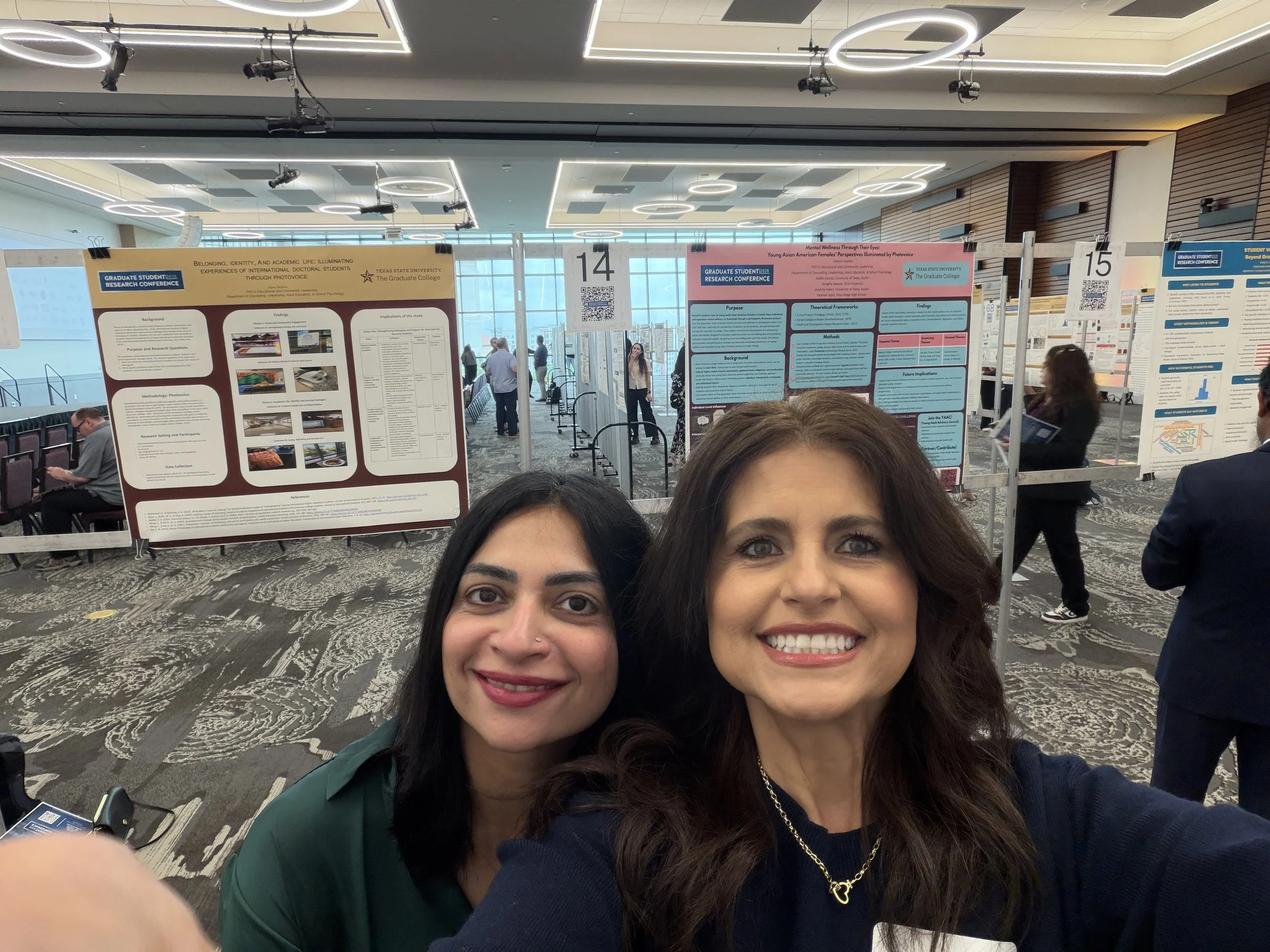
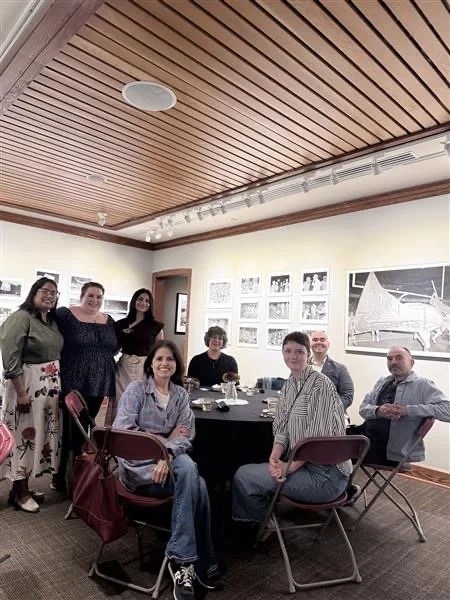
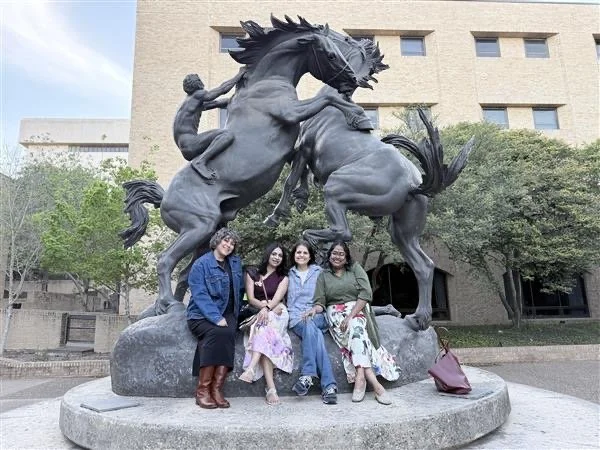
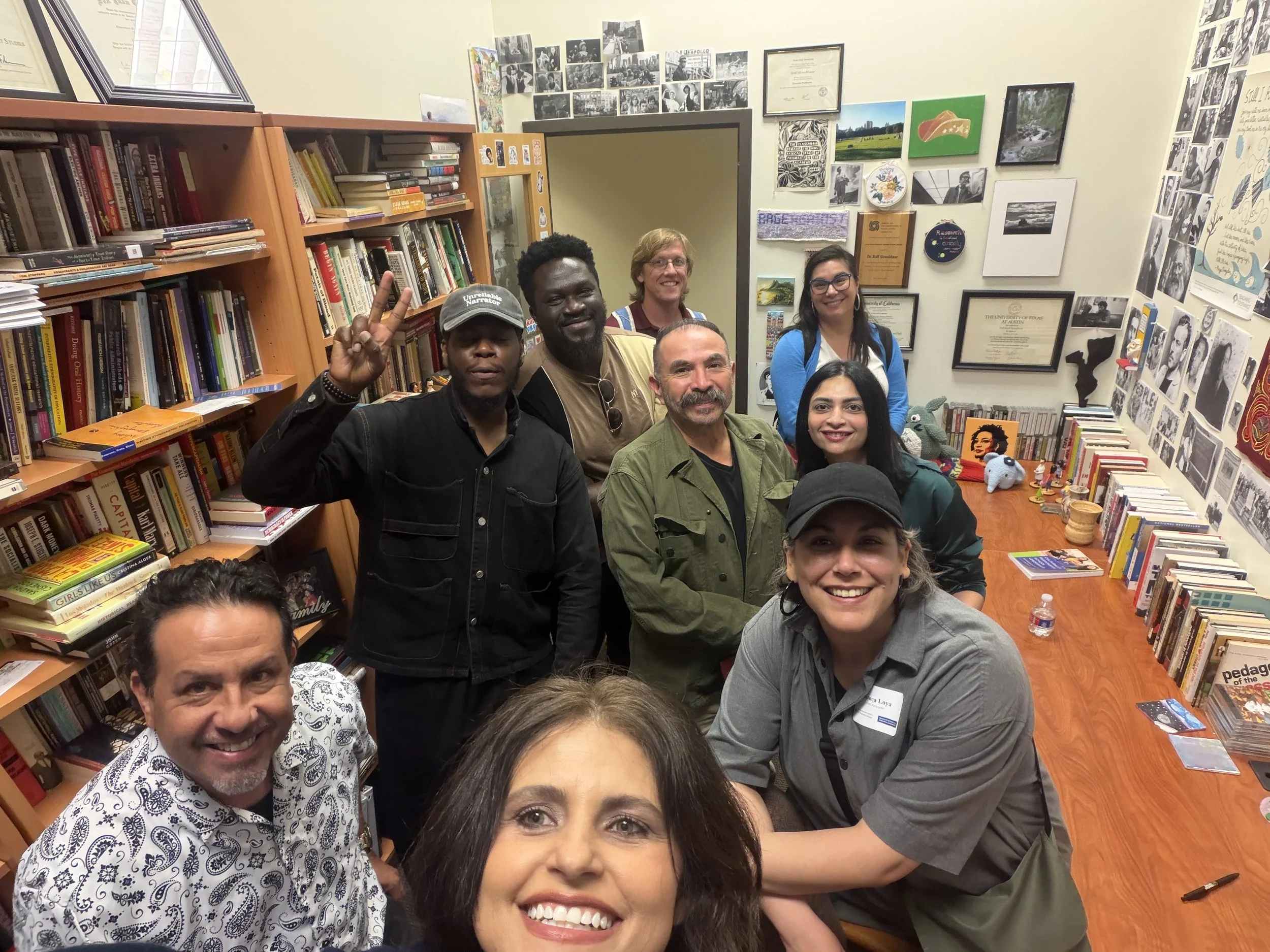
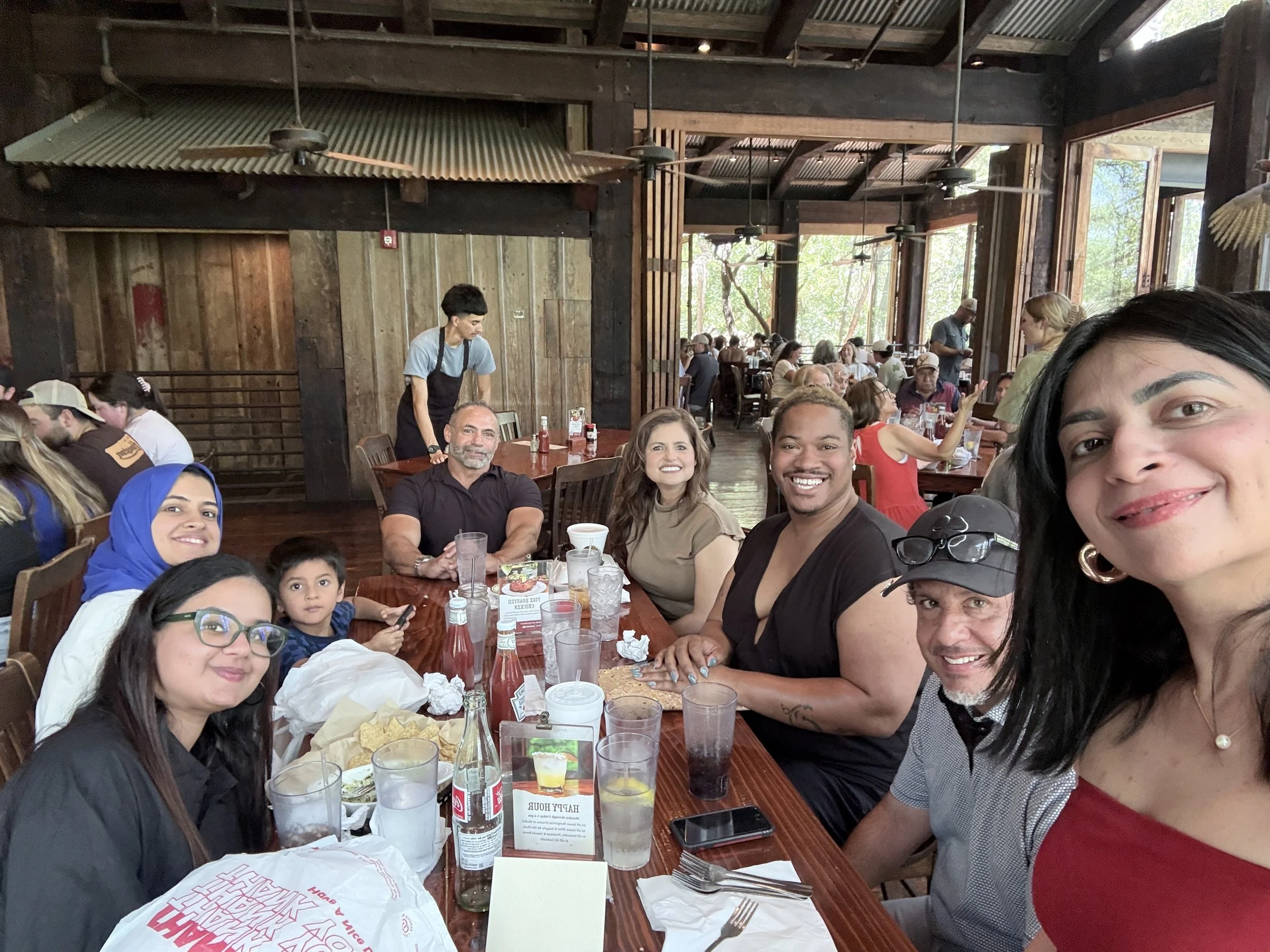
I commit to creating welcoming places where conversations become relationships and relationships become collective action. Research on third places demonstrates that informal gathering spaces play a vital role in fostering civic engagement, social connection, and community belonging (Oldenburg, 1999).
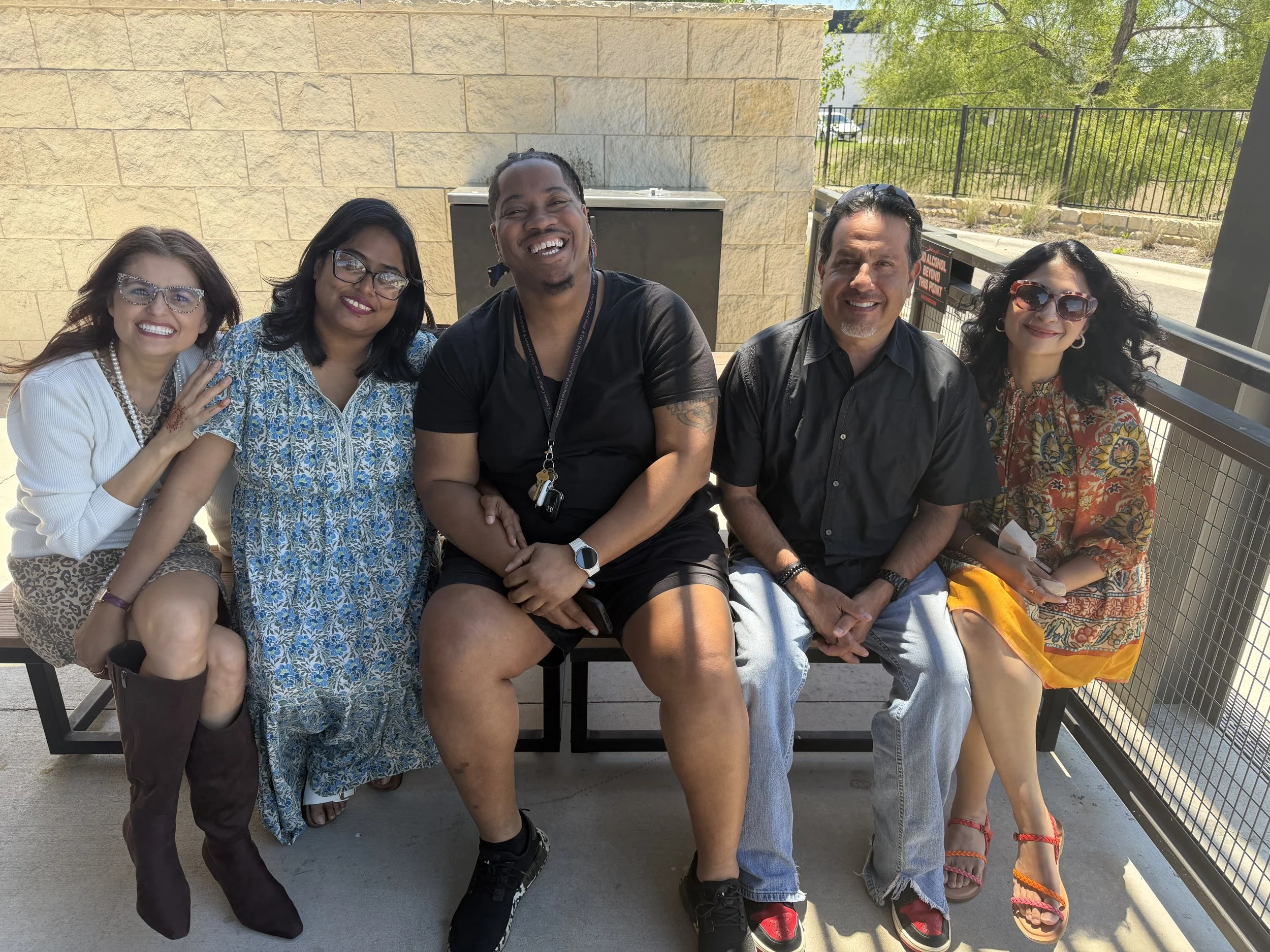
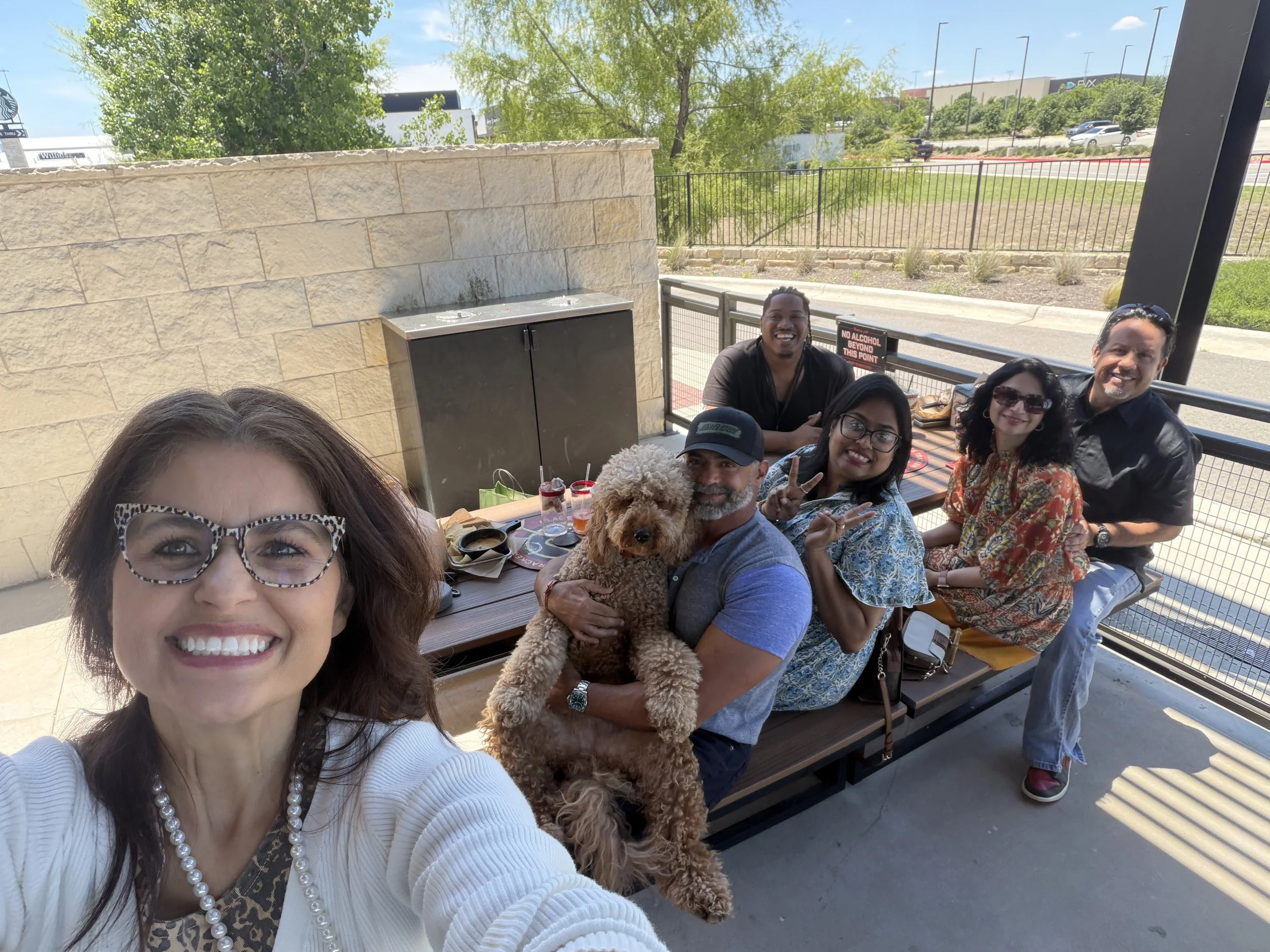
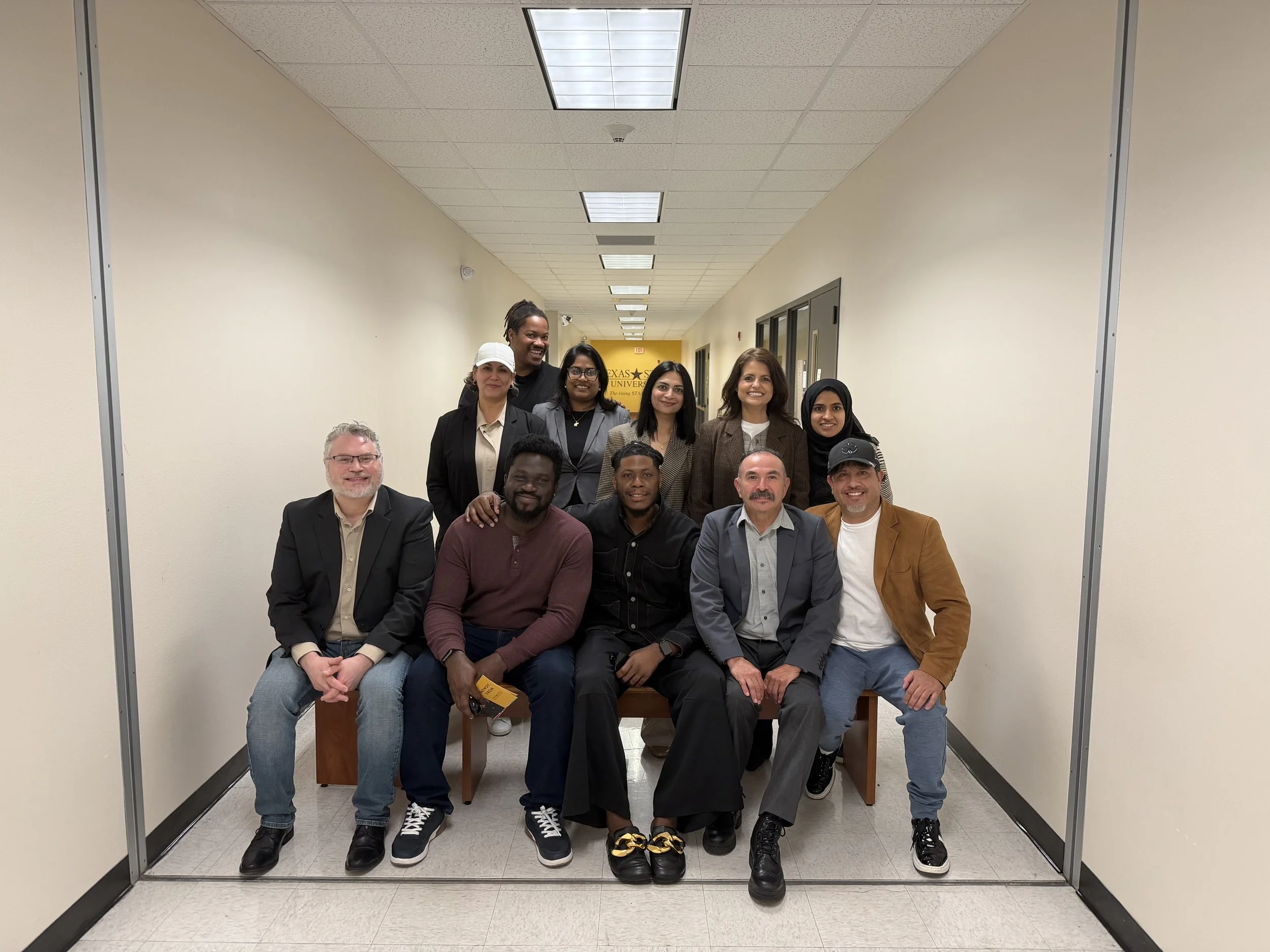
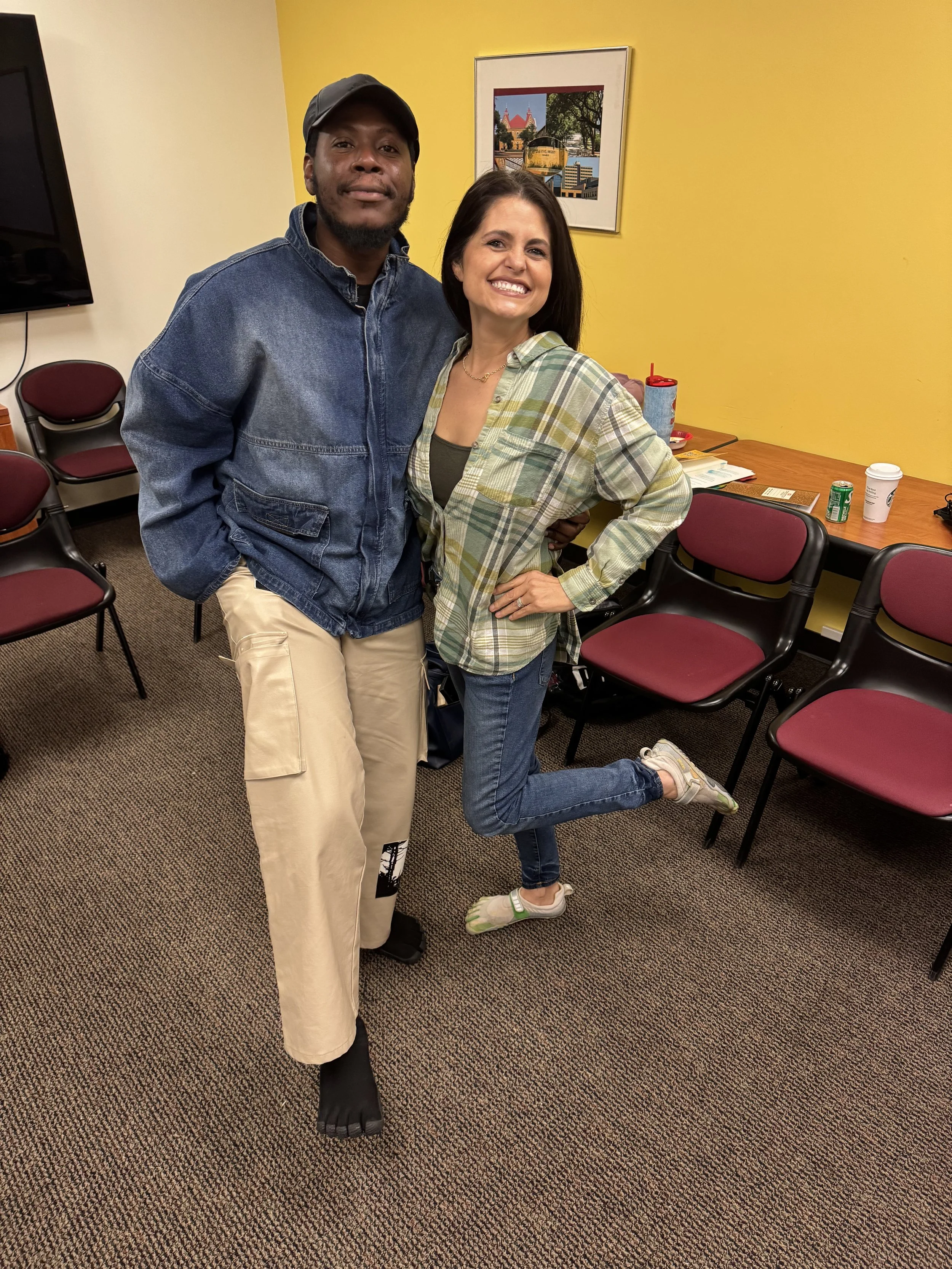
One day, that commitment will extend beyond classrooms and consulting into a neighborhood coffeehouse and bakery nestled in a mountain college town, a gathering place where students, families, faculty, artists, neighbors, and visitors come together over coffee, sweets, books, music, and conversation. It will be a living classroom and a true third place where people cultivate friendship, creativity, belonging, and hope. My family and I will welcome people not simply as customers, but as members of a community.
Definition of a Manifesto
It is always meant to be read by the public, not kept secret.
It explains what the group or person wants to change or achieve.
It often invites others to join a new cause or movement.
References
Block, P. (2026). Community: The structure of belonging. Berrett-Koehler Publishers.
Boyer, E. L. (1996). The scholarship of engagement. Journal of Public Service and Outreach, 1(1), 11–20.
Ferguson, R. F., & Dickens, W. T. (Eds.). (1999). Urban problems and community development. Brookings Institution Press.
Freire, P. (1970). Pedagogy of the oppressed. Continuum.
Green, T. L. (2017). Community-based equity audits: A practical approach for educational leaders to support equitable community-school improvements. Educational Administration Quarterly, 53(1), 3-39.
Guajardo, M., Guajardo, F., Janson, C., & Militello, M. (2015). Reframing community partnerships in education: Uniting the power of place and wisdom of people. Routledge.
Honneth, A. (1995). The struggle for recognition: The moral grammar of social conflicts. MIT Press.
Israel, B. A., Schulz, A. J., Parker, E. A., & Becker, A. B. (1998). Review of community-based research: Assessing partnership approaches to improve public health. Annual Review of Public Health, 19, 173–202.
Kretzmann, J. P., & McKnight, J. L. (1993). Building communities from the inside out: A path toward finding and mobilizing a community's assets. ACTA Publications.
Oldenburg, R. (1999). The great good place: Cafes, coffee shops, bookstores, bars, hair salons, and other hangouts at the heart of a community. Da Capo Press.
Putnam, R. D. (2000). Bowling alone: The collapse and revival of American community. Simon and schuster.
Saltmarsh, J., & Hartley, M. (Eds.). (2011). "To serve a larger purpose": Engagement for democracy and the transformation of higher education. Temple University Press.
Shields, C. M. (2010). Transformative leadership: Working for equity in diverse contexts. Educational Administration Quarterly, 46(4), 558–589.
Wallerstein, N., Duran, B., Oetzel, J. G., & Minkler, M. (Eds.). (2018). Community-based participatory research for health: Advancing social and health equity (3rd ed.). Jossey-Bass.
“Our isolation is as much an act of imagination as it is of reality in our experience. The moment we realize how isolated we are and that this isolation is not inevitable, creating a community that ends unnecessary suffering becomes a possibility.”

Photography by Abby Glenn